


Claude 2 and GPT-4 represent the latest advancements in natural language processing. They all quickly garnered considerable attention for their remarkable capabilities across various sectors.
In this article, we will provide a comprehensive comparison between Claude 2 vs GPT-4 to help you determine which chat model is more suitable for your use cases.
Please note that this article is written before the release of GPT-4 turbo (gpt-4-1106-preview).
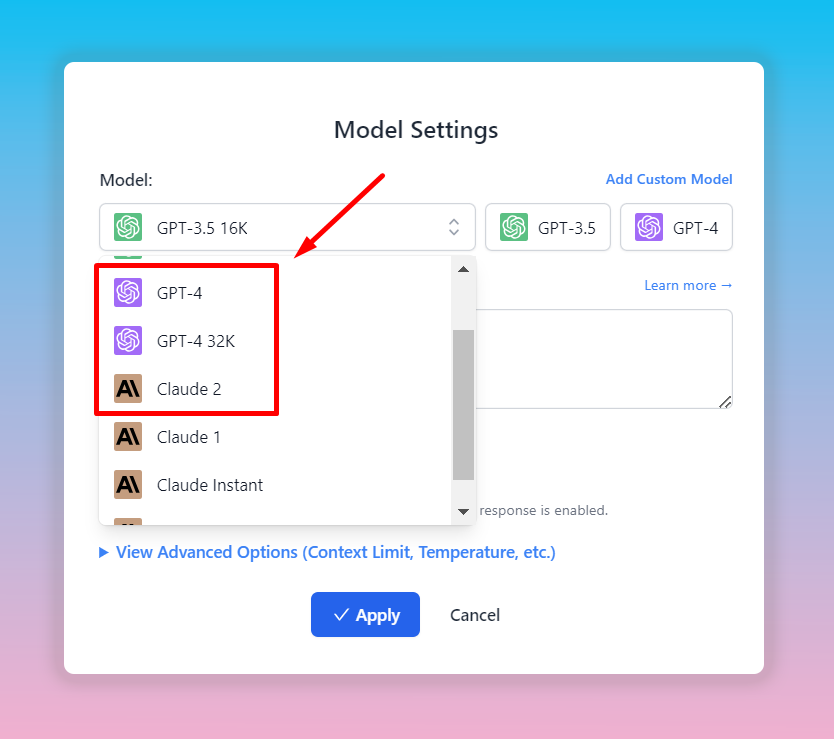
What Is Claude-2?
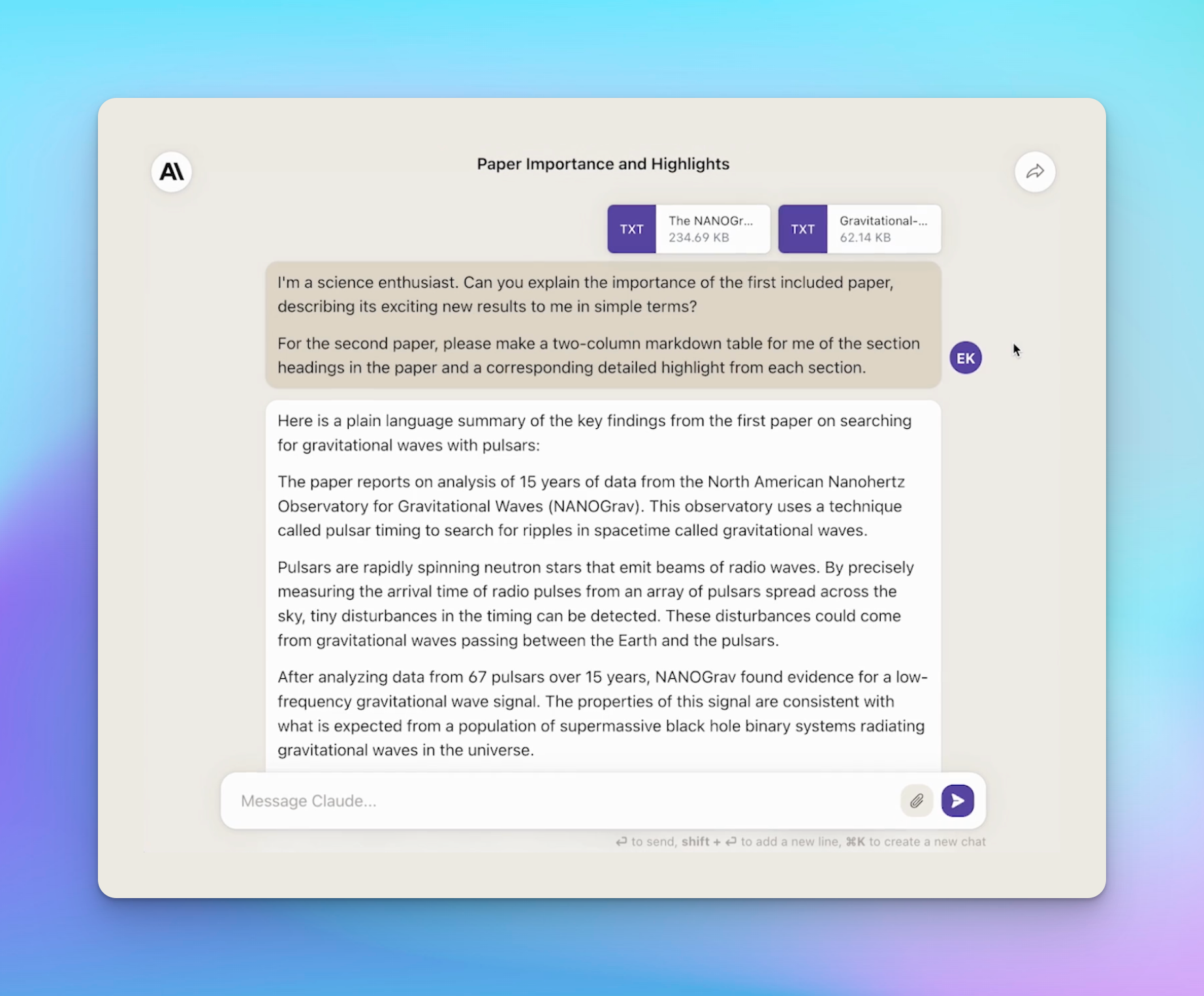
Claude 2 is a large language model (LLM) powered by Anthropic. Claude 2 uses a conversational model trained with Anthropic’s dataset, which allows it to engage in open-ended discussions while avoiding unethical or unlawful language.
Claude 2 also offers a broader context window than ChatGPT, thus helping the AI model retain greater conversational memory and deliver lengthier responses to inquiries. This language model employs self-supervised learning to establish a contextual understanding of the discussion.
What Is GPT4?
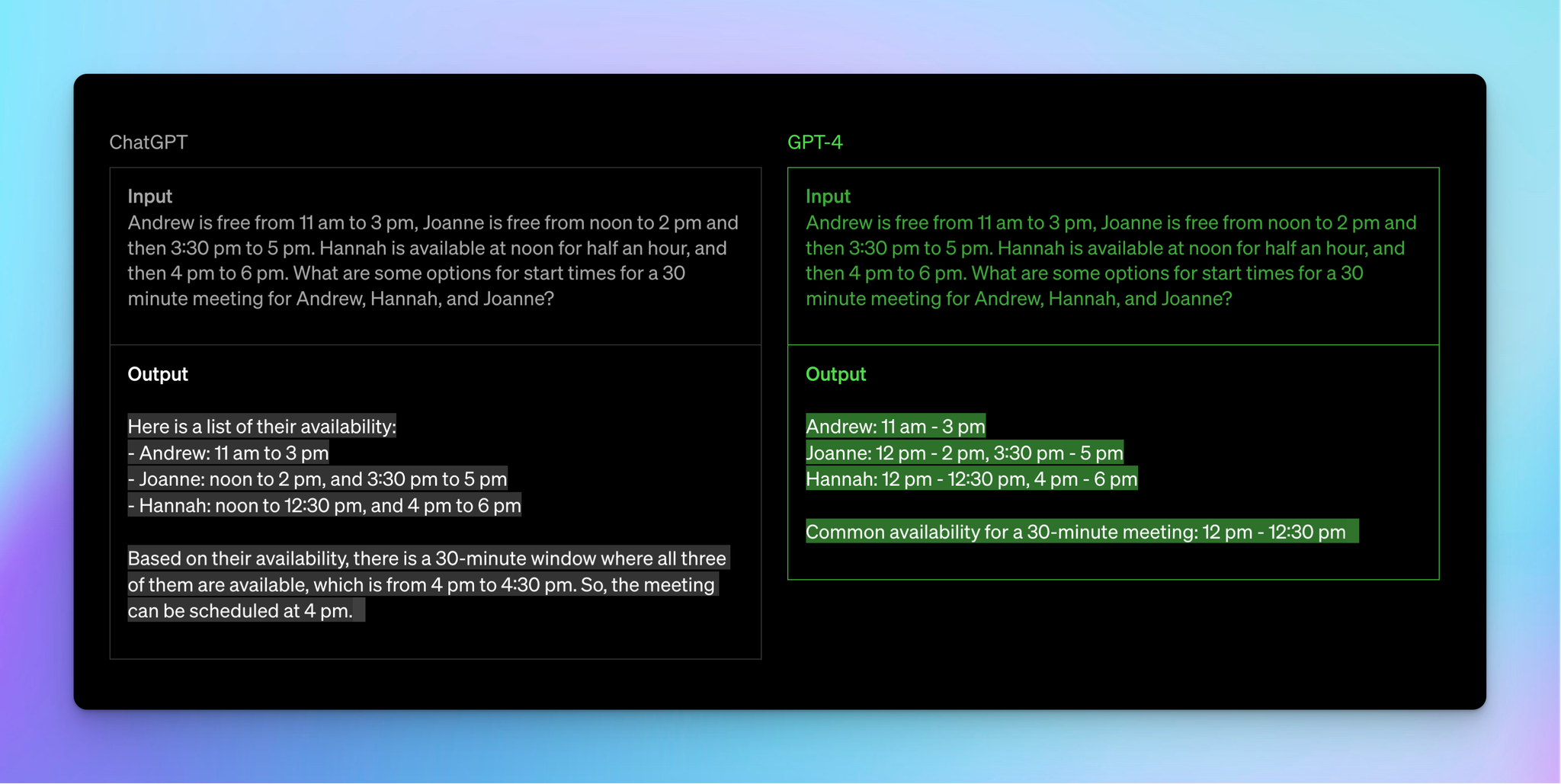
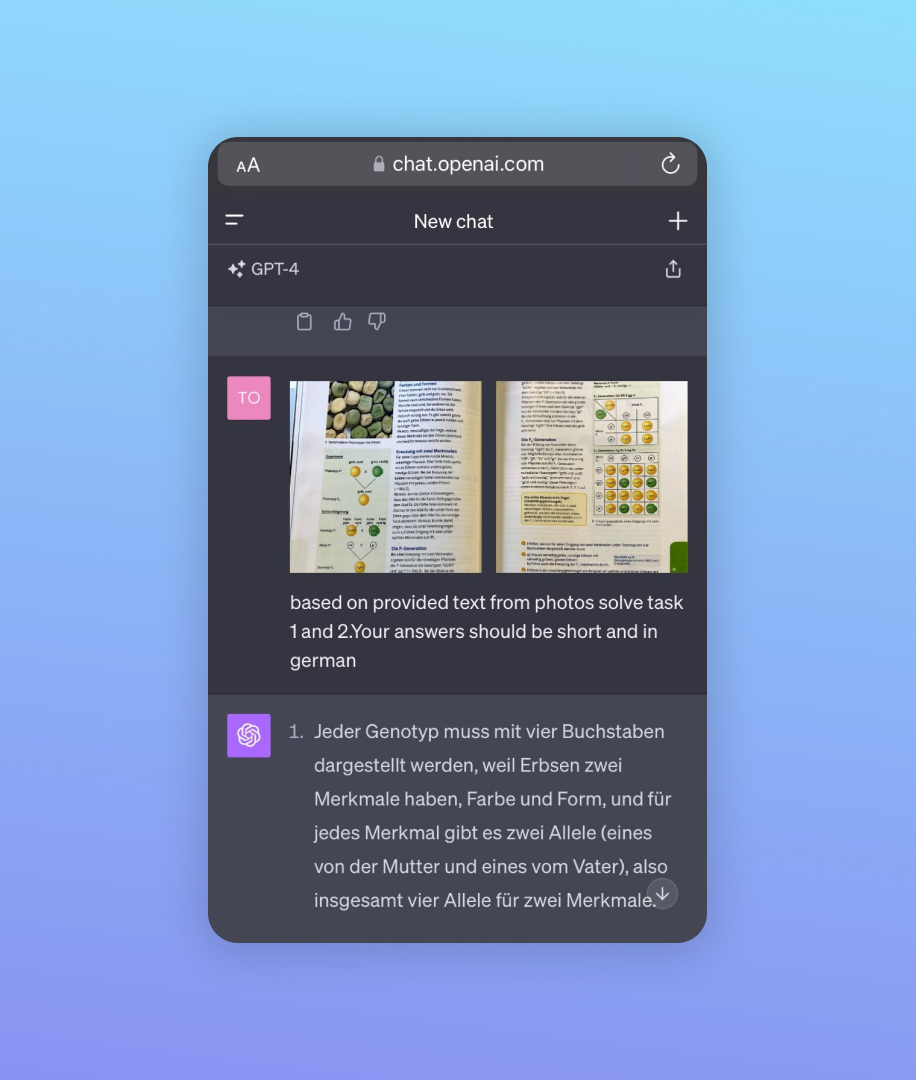
GPT-4 is the most advanced language model of OpenAI. Because this version is a large multimodal model, it can accept text and image inputs and output human-like text.
For example, it allows users to upload a worksheet. GPT-4 will scan it and output answers to the questions. It can also understand a graph you submit and do calculations based on the information provided.
Claude 2 vs GPT4: General Comparison
| Feature | GPT-4 | Claude-2 | Which is better? |
| Context Length Limit | 8,000 / 32,000 tokens | 100,000 tokens | Claude 2 |
| Speed | Slower text generation | Faster Text generation | Claude 2 |
| Work with Docs | Ability to work with text files, images, audio. | Work with text files only | GPT-4 |
| Price | Start at $0.03 / 1000 tokens | Start at $0.011 / 1000 tokens | Claude 2 |
| Language | 200+ languages supported. Less natural sounding | 10+ languages supported. More natural sounding | Depend on your use cases |
| Availability | Accessible for everyone with paid account | Limited access | GPT-4 |
1. Speed
Regarding the speed in generating responses, Claude 2 is faster than GPT-4. The architecture of Claude 2 appears to be optimized for rapid text production, offering it better speed in real-time applications.
When creating an answer of about 200 words, under the same internet connection condition:
- Claude 2 created 216 words in about 20 seconds
- GPT-4 created 227 words in 45 seconds
2. Context Length Limit
- Claude 2 can process documents with a maximum token count of 100,000.
- GPT-4-8K can handle files with an 8192 token, and GPT-4-32K offers a 32768-token limit.
OpenAI has just released GPT-4-1106 with 128k tokens, however, this is still in preview mode and not ready for production, you can try the model at typingmind.com
3. Ability to Work with Different File Formats
GPT-4 currently outperforms Claude 2 since it supports different sorts of input.
- In detail, GPT-4 can process different text files like PDFs, CSVs, TXT, Markdown, or images, audio. This offers it an advantage in terms of adaptability.
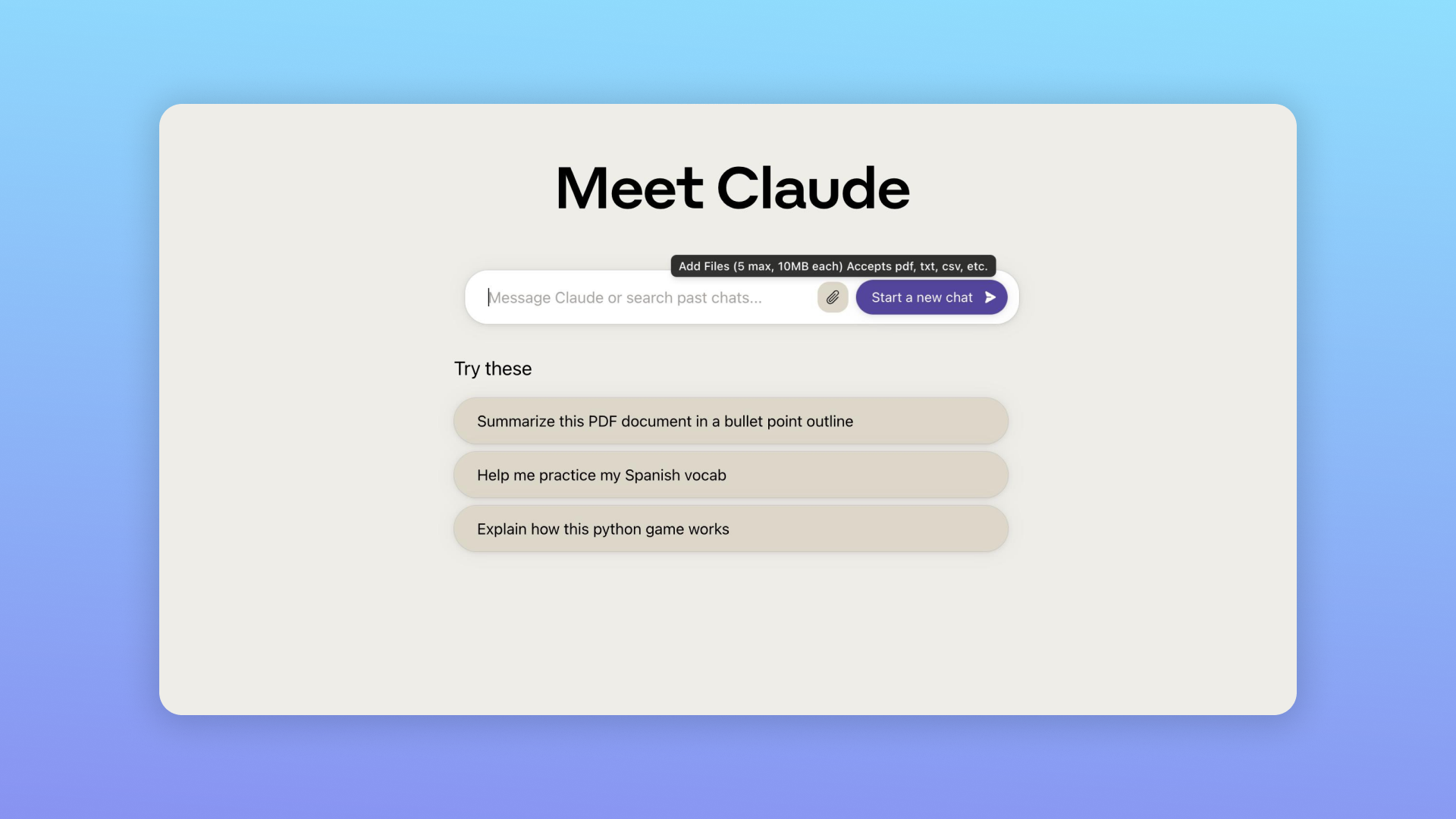
- Claude 2 allows you to easily upload fewer types of file formats such as PDFs, TXT, CSV.
4. Price
Let’s refer to the cost of each model language:
- Claude 2:
- $0.011 per 1,000 prompt tokens
- $0.032 per 1,000 completion tokens
- GPT-4 price is determined by its specific model:
- GPT-4 8K:
- $0.03 per 1,000 prompt tokens
- $0.06 per 1,000 completion tokens
- GPT-4 32K:
- $0.06 per 1,000 prompt tokens
- GPT-4 32K: $0.12 per 1,000 completion tokens
- GPT-4 8K:
On Claude 2, 10,000 tokens cost roughly $0.11, compared to $2-$4 through GPT-4.
Claude 2 cost is a significant advantage over GPT-4 pricing for budget-limited users.
6. Language
- GPT-4 supports 200+ languages but the text generated is less natural sounding.
- Meanwhile, Claude 2 can only generate responses in 10 different languages but the text generated is more natural sounding.
7. Availability
GPT-4 API access has been public to all API customers who have an OpenAI API account now.
Meanwhile, Claude 2 is now only available in the United Kingdom and the United States, for unsupported areas, you will need to join their waitlist here.
Tip: don’t need to wait, you can use the model immediately via OpenRouter on TypingMind, see how it works here
Claude 2 vs GPT-4: Compare in Some Specific Use Cases
| Task | GPT-4 | Claude-2 |
| Math | Provide answer without elaboration | Provide an answer without elaboration |
| Coding | More accurate outputs | Less accurate outputs |
| Analyzing data | Less insightful outputs | More insightful outputs |
| Marketing brainstorming | More creative | Less creative |
| Summarizing text | More structured and detailed outputs | Produce in key points format with less details |
1. Comprehension and Math
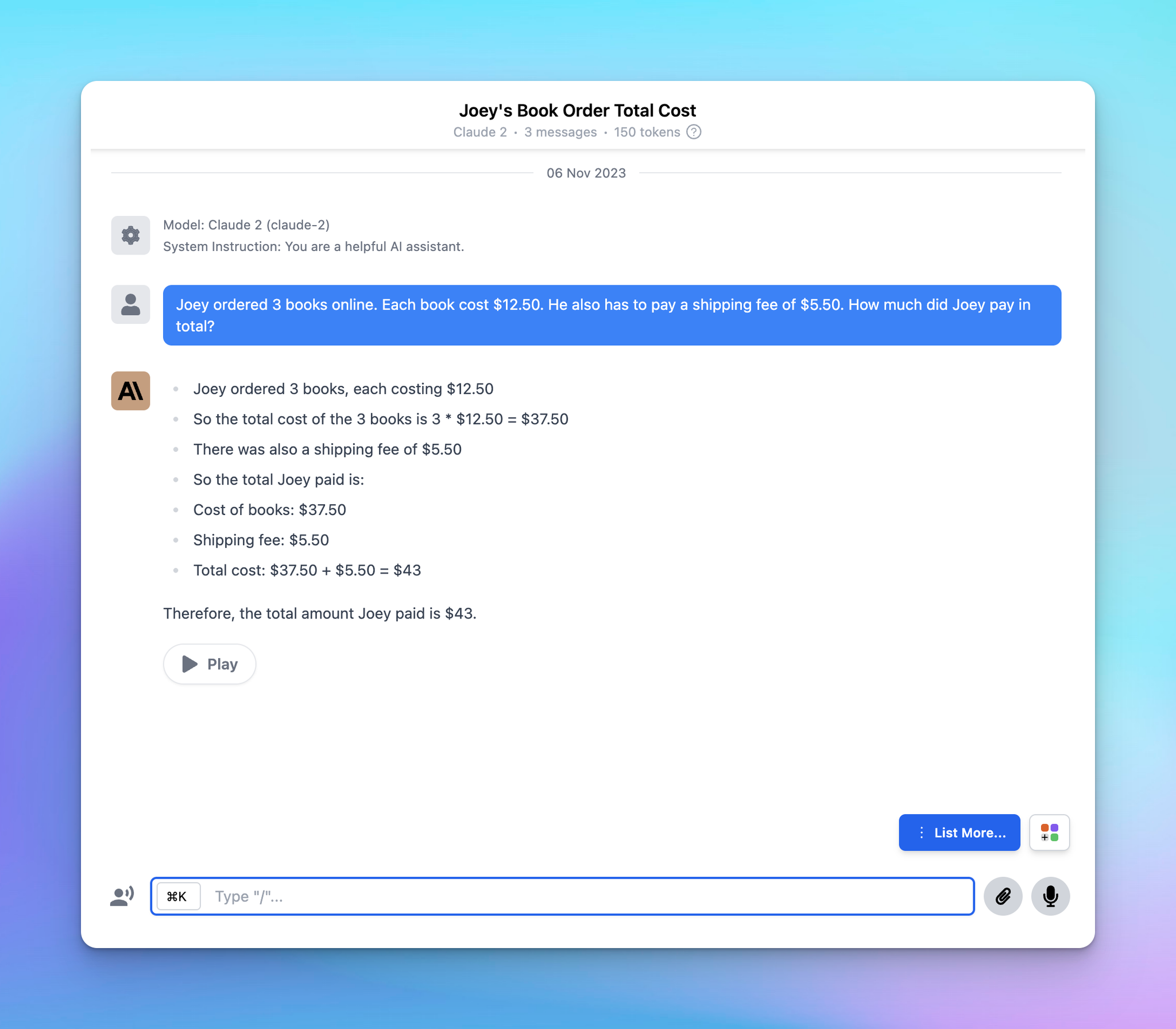
- Claude 2 is more likely to correctly solve tasks requiring analysis and logic and demonstrate step-by-step instructions.
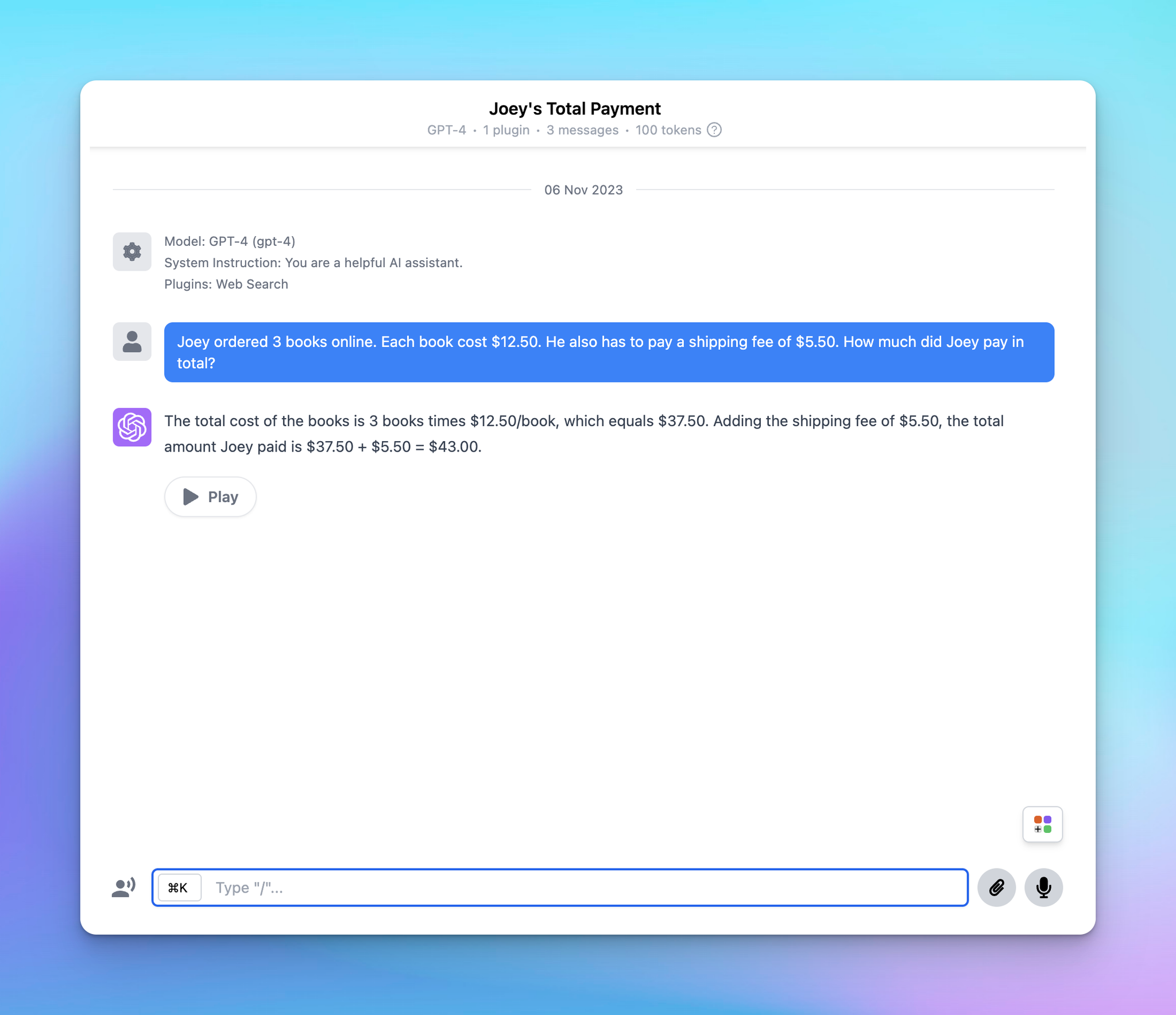
- While GPT-4 typically provides a numerical answer without elaboration.
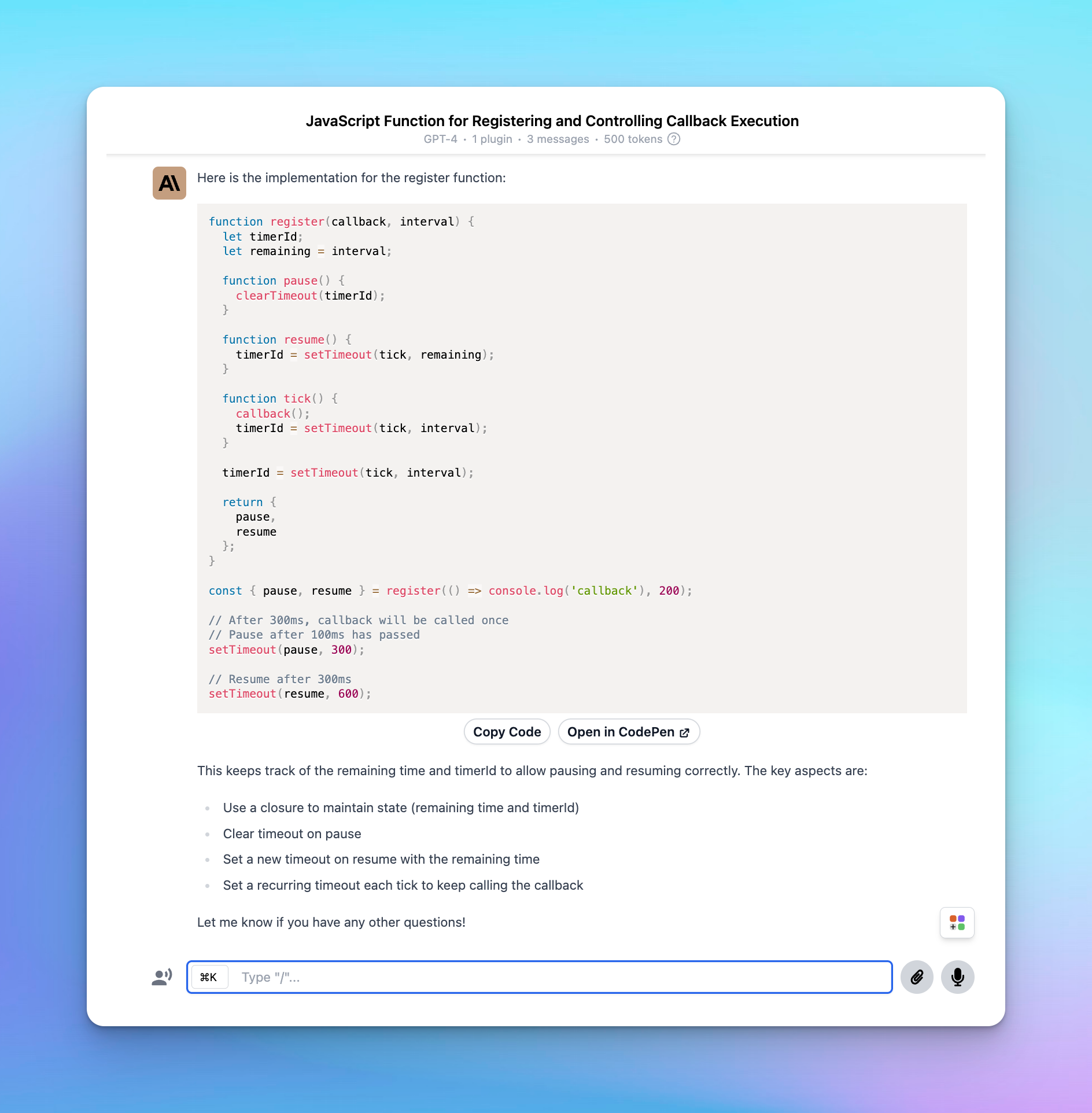
2. Code Generation
Prompt:
Write for me a function named
registerin JS; it takes 2 params: callback and interval; it should return an object having 2 methods:pauseandresume. When called, it should run thecallbackeveryintervalms. When the methodpauseis called, it should pause, and when the methodresumeis called, it should run at the time it left. For example:const { pause, resume } = register(callback, 200);
// after 300ms, it ran callback once, 100ms has passed, call pause method: pause();
// after 300ms after calling pause, call resume: resume();
// it should run the callback function again in 100ms, then it keeps calling callback every 200ms
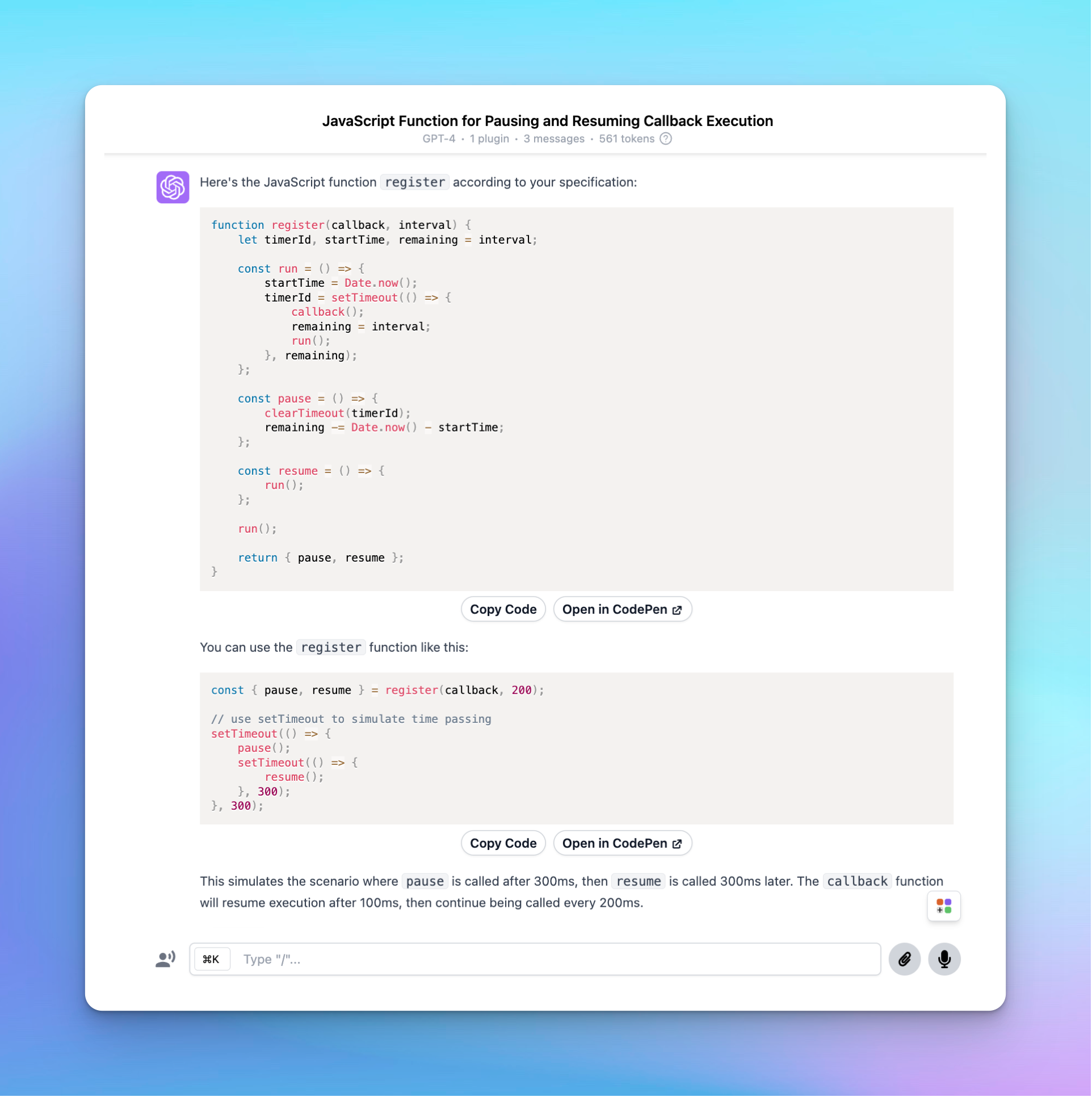
With this prompt, GPT-4 demonstrated superior performance compared to Claude 2.
While both models produced syntactically valid code, GPT-4 showed a greater ability to understand the problem and implement an optimal solution.
The key difference is that GPT-4’s function accurately pauses and resumes the interval timer by recording when the “pause” is called.
Claude 2’s function simply stops the timer on pause and doesn’t keep track of the time passed, leading to inaccuracies when resuming.
Therefore, GPT-4’s solution provides more precise timing control.
3. Analyzing Data
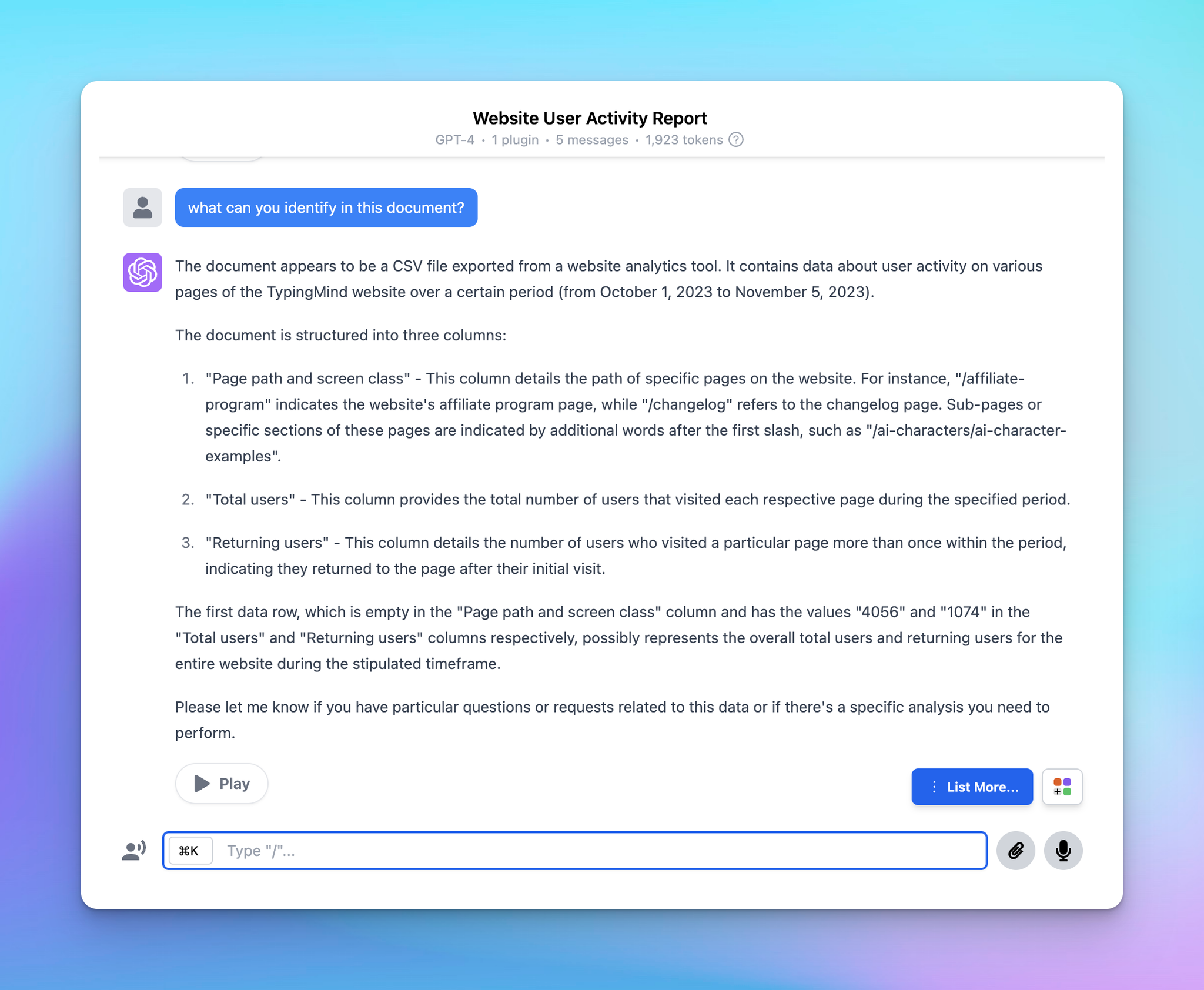
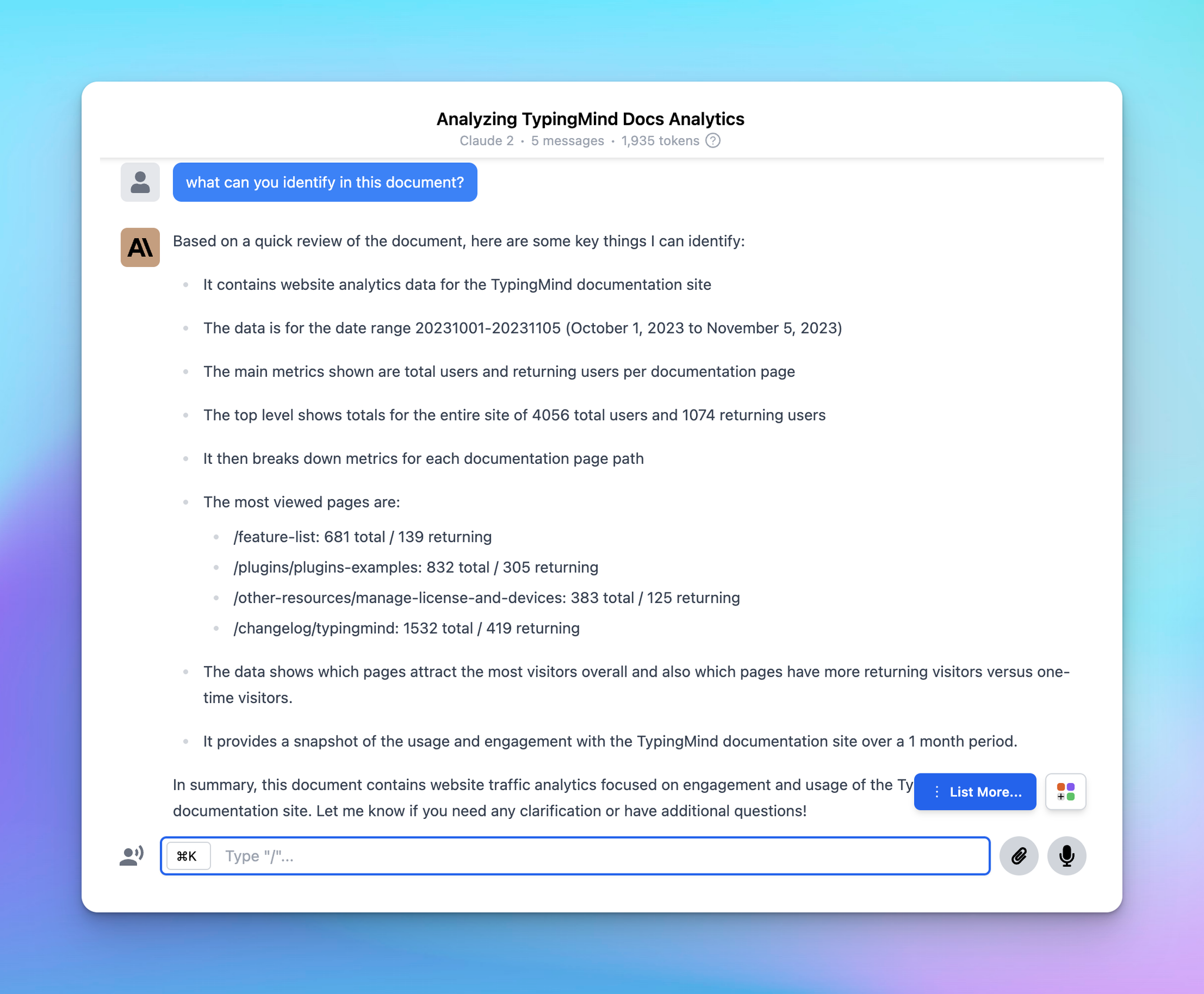
In this area, we uploaded a report of our website visitors and asked both models “What can you identify in this document?”
The result? Claude 2 performs better than GPT-4.
- Claude 2 provides specific insights with a detailed breakdown.
- It also reads the values, clearly states the meaning behind each of those values, and puts them into context.
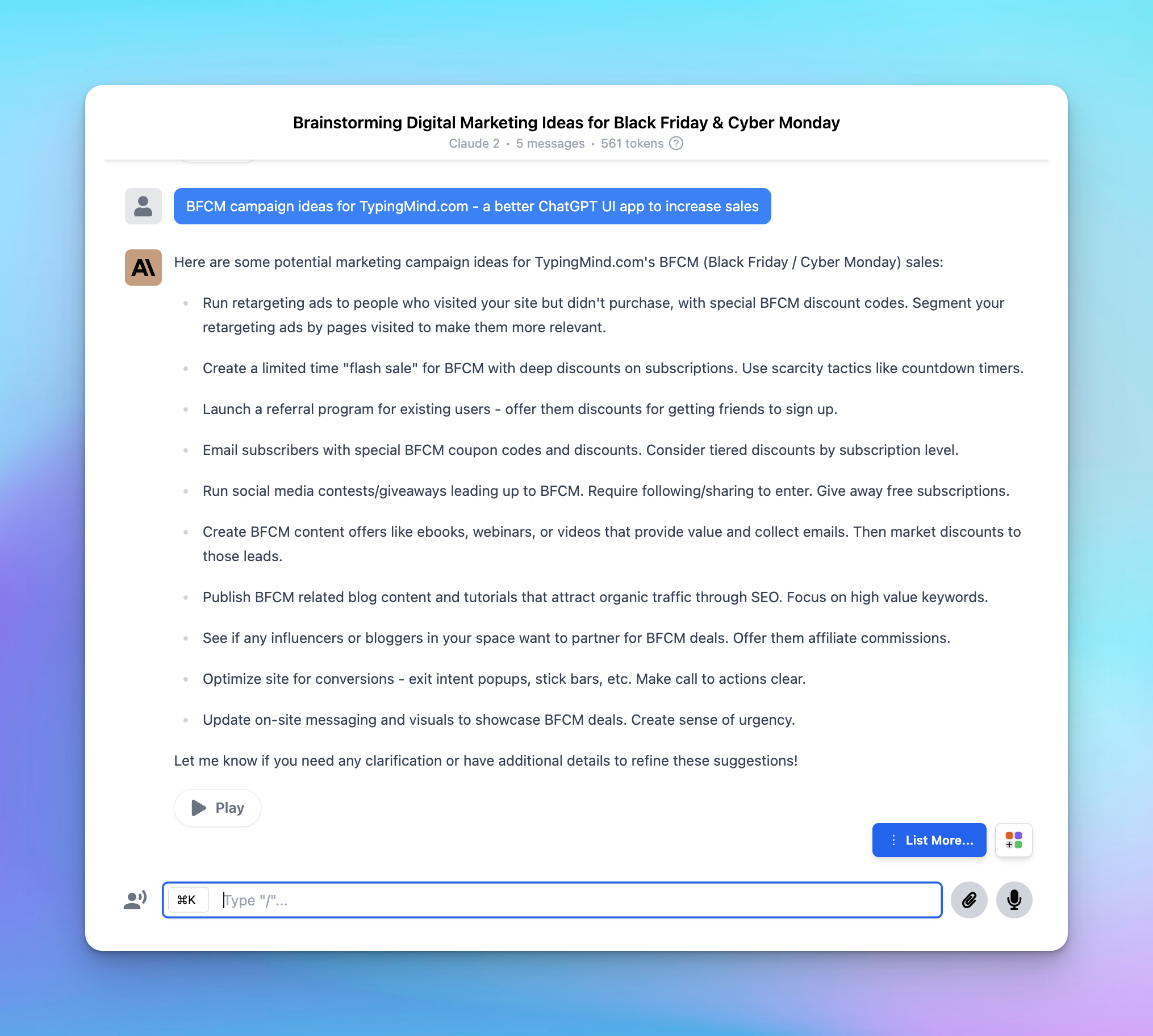
4. Marketing Brainstorming / Creative Tasks
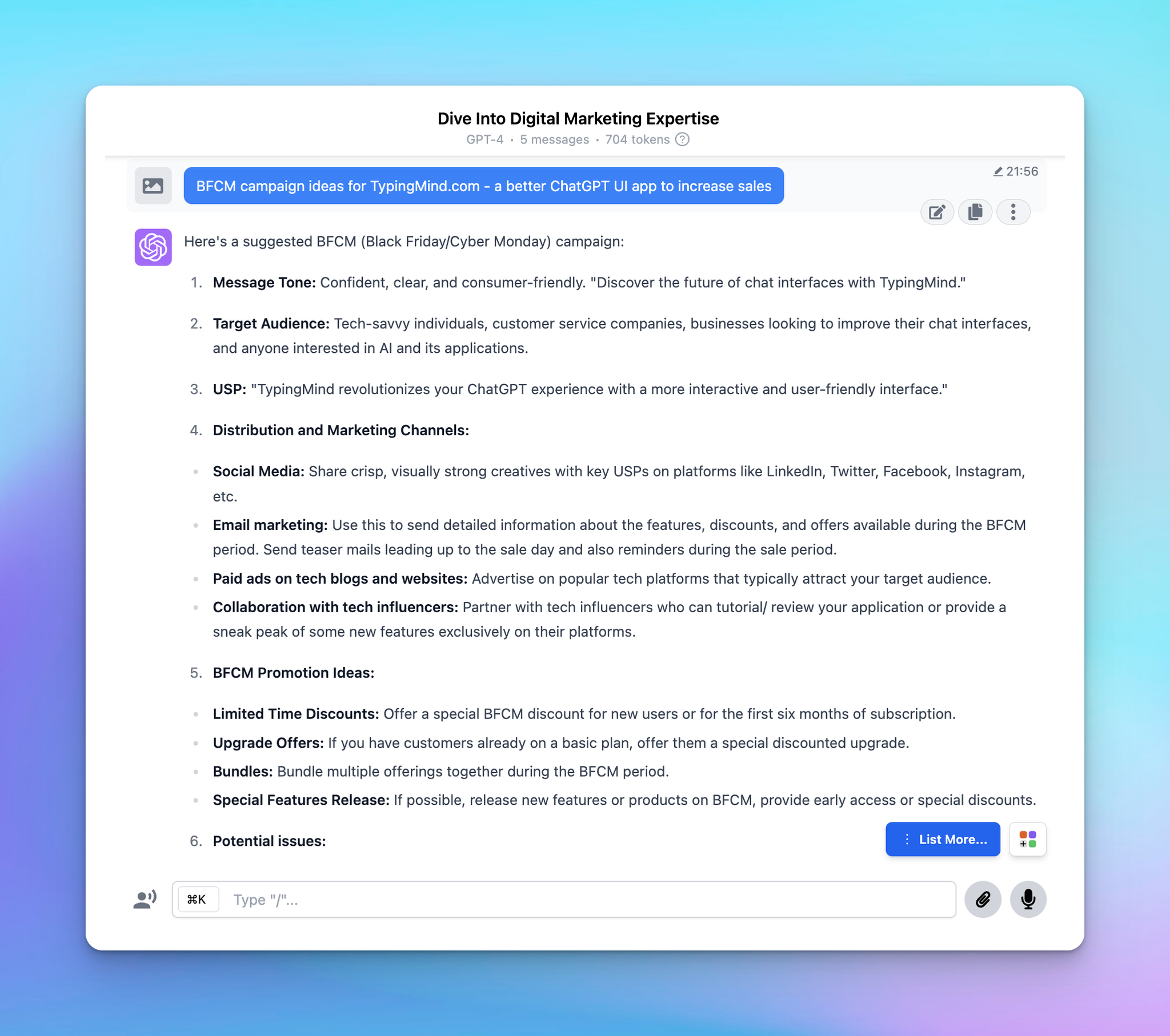
Prompt:
As a Digital Marketing Expert, you specialize in brainstorming marketing ideas.
I will provide my objective and the background information of my products such as target audience, product details, USP, tone of voice, marketing channels. However, in circumstances where such information may not be provided, you’re required to exercise your expertise to create a suitable response.
Your role includes identifying potential issues our customers may encounter, suggesting appropriate distribution channels, and designing powerful messages that align with the brand’s tone of voice.
GPT-4 outperforms Claude 2 when executing this task.
- The chat model offers a broader and more in-depth marketing brainstorm following the instruction the we provide in the prompt
- Meanwhile, Claude 2 just produces some general information without following our guidelines
5. Summarizing Text
We fed the chat model with a ChatGPT introduction PDF, here’s how the two perform:
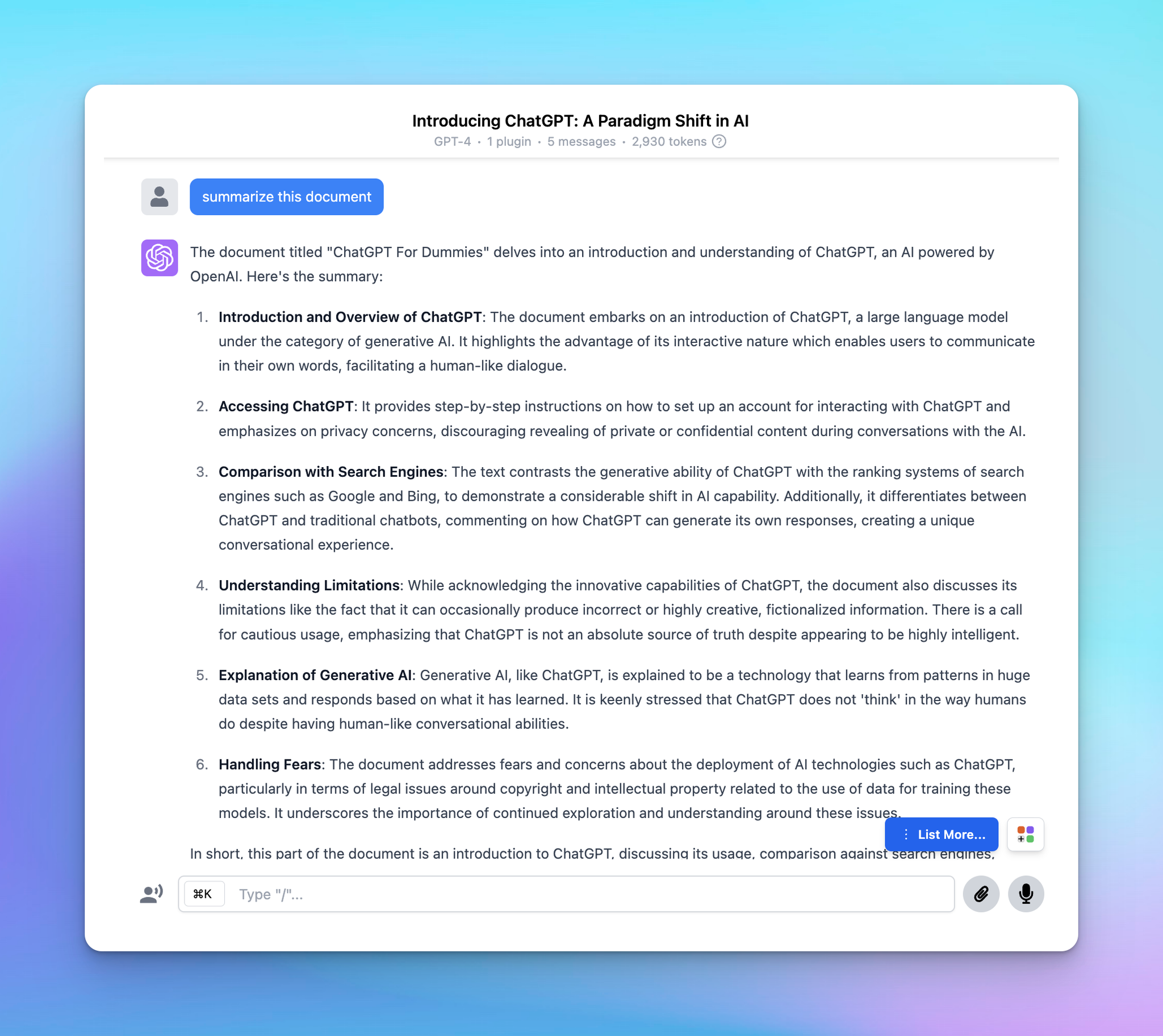
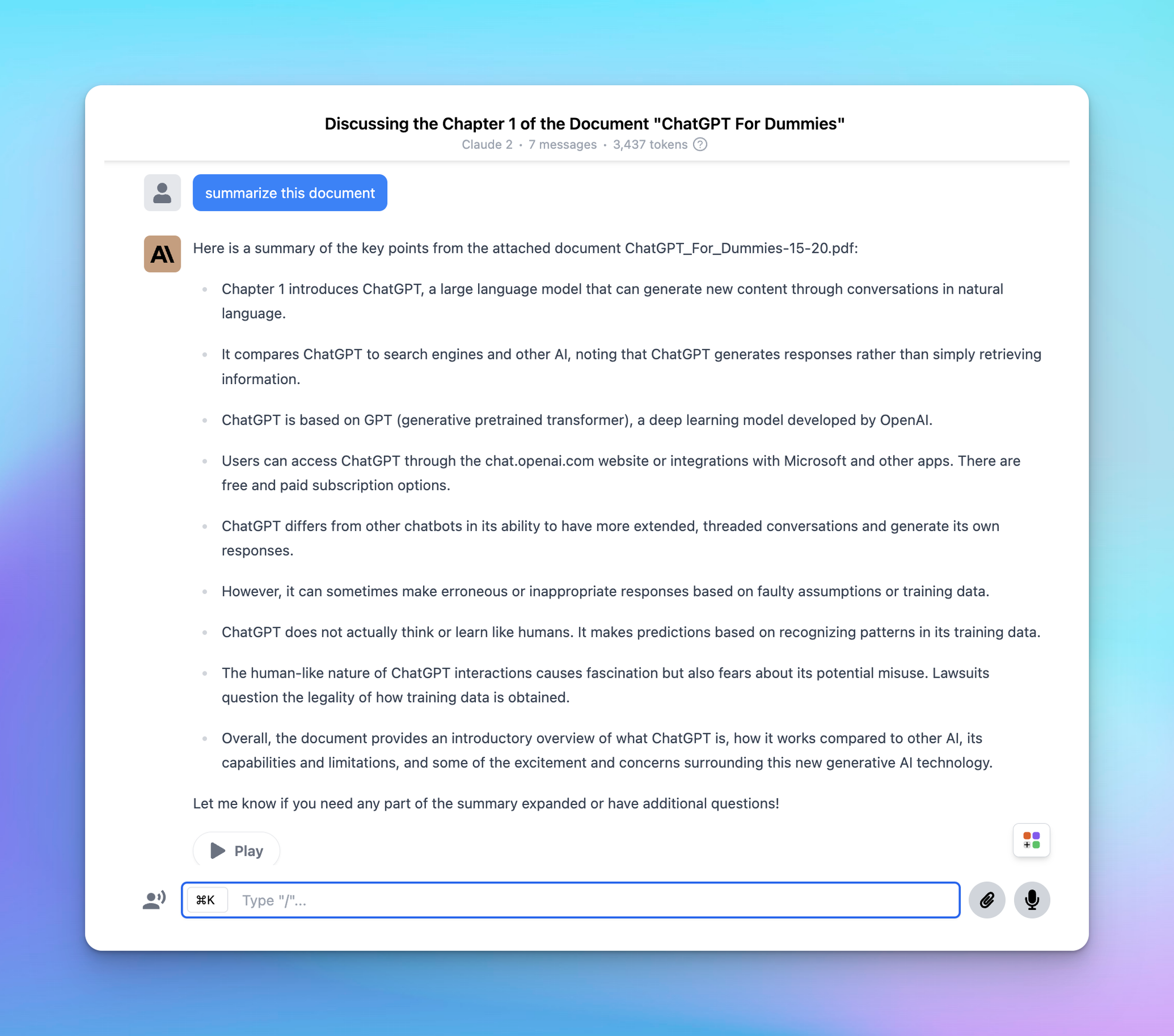
- GPT-4 provided a more detailed summary, breaking down the document into six different parts, which is exactly the content of the document.
- Claude 2 generates some key points that help users easier to read but not fully demonstrate the document content and structure.
Conclusion
Claude 2 vs GPT4 – Which AI language model is better? It depends on your needs. This comparison between Claude 2 and GPT-4 provides you with a more specific view of both models:
- Claude 2: Suit for analyzing data, tasks with high requirements in logic, and budget-limited users.
- GPT-4: ideal for creative writing and code generation
Understanding each language model helps you effectively use your chatbot, thus ensuring it best serves your user’s needs.


